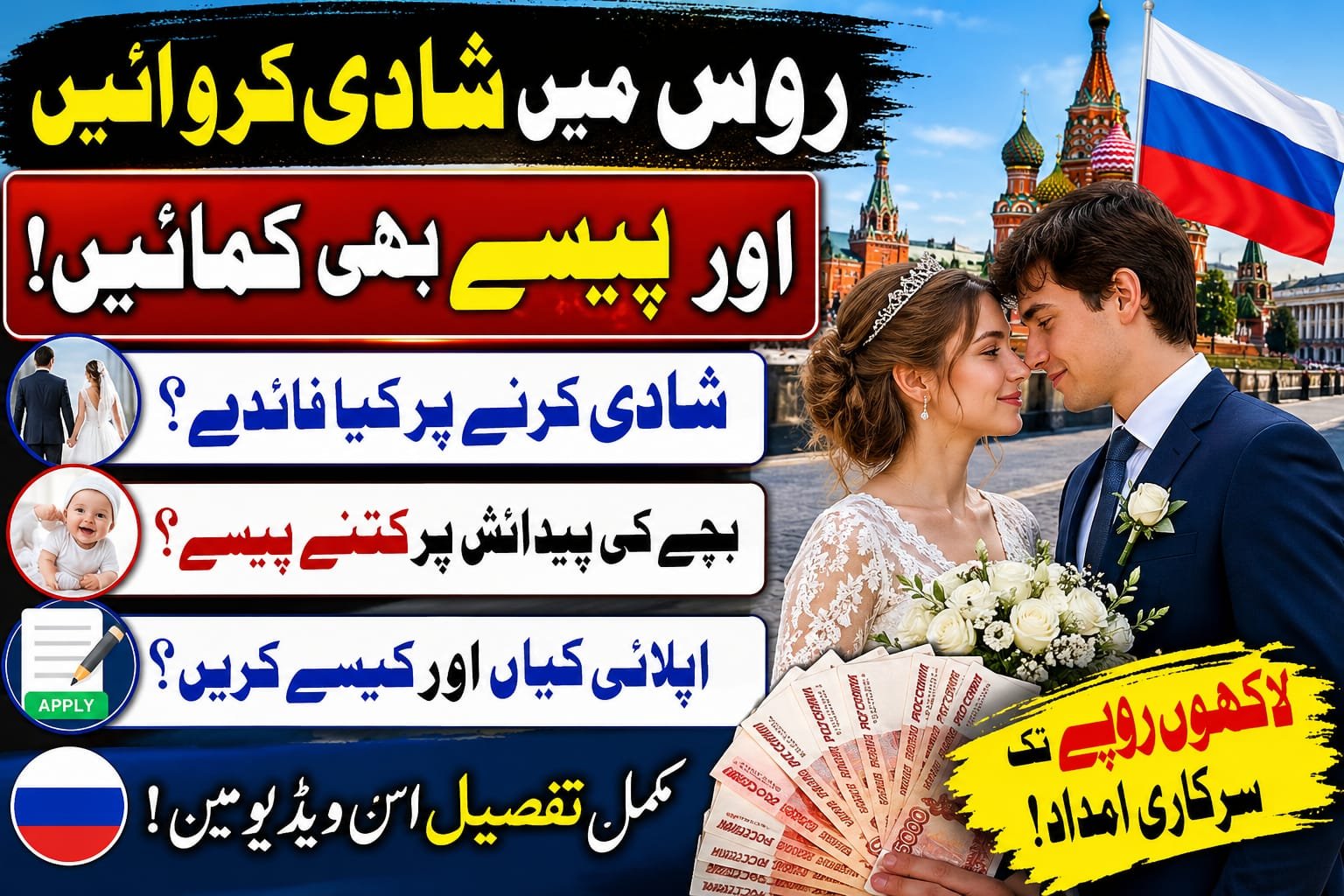

Marriage can open many doors but can it fast track your way to Russian citizenship? If you’re planning to marry a Russian citizen or already have, understanding the legal pathway is essential. While marriage does make the process easier, it’s not an instant ticket to a Russian passport.
Let’s break it down in a clear, practical way so you know exactly what to expect.
Does Marrying a Russian Automatically Grant Citizenship?
The short answer: No, it doesn’t.
Marriage to a Russian citizen does not automatically grant citizenship. However, it simplifies and accelerates the process compared to standard naturalization.
Instead of going through the long, general route, spouses of Russian citizens can apply under a simplified procedure, which reduces waiting times and requirements.
The Step-by-Step Process
1. Register Your Marriage Legally
First, your marriage must be officially registered in Russia or recognized under Russian law. If you marry abroad, you’ll need to legalize and translate your marriage certificate.
2. Apply for a Temporary Residence Permit (TRP)
After marriage, you can apply for a Temporary Residence Permit (TRP). The advantage here is:
- You may skip the quota system, which usually limits permits.
- Processing is generally faster for spouses.
Validity: 3 years
Work Rights: Allowed without a separate permit
3. Obtain a Permanent Residence Permit (PRP)
After holding a TRP, you can apply for a Permanent Residence Permit.
Benefits include:
- Long term stay in Russia
- Freedom to work and travel
- No need for constant renewals (valid for 5 years, renewable)
4. Apply for Citizenship (Simplified Procedure)
Here’s where marriage helps the most.
Under Russian law, you can apply for citizenship if:
- You’ve been married to a Russian citizen for at least 3 years
- You live in Russia legally
- You meet language and legal requirements
Key Requirements for Citizenship
Even under the simplified process, you’ll need to meet certain criteria:
✔ Basic Requirements:
- Valid marriage (minimum 3 years)
- Legal residence in Russia
- Proof of income or financial stability
- Clean criminal record
- Basic knowledge of the Russian language
✔ Documents Typically Required:
- Passport and residence permits
- Marriage certificate
- Proof of income
- Language certificate
- Application forms
How Long Does the Process Take?
The timeline varies, but here’s a realistic estimate:
- TRP: 2–6 months
- PRP: 4–6 months
- Citizenship (after eligibility): 3–6 months
Total time: Around 3 to 5 years, depending on your situation.
Real-Life Example
Imagine Ahmed, a Pakistani citizen, marries a Russian woman:
- He registers the marriage in Russia
- Applies for a TRP without waiting for quotas
- Moves to Russia and builds a stable life
- After 3 years of marriage, he applies for citizenship
Instead of waiting 5+ years under standard rules, Ahmed benefits from a faster and smoother process.
Important Tips to Increase Your Chances
✔ Learn the Russian Language Early
Language is often a hurdle. Start learning basic Russian as soon as possible it’s required for citizenship.
✔ Maintain Legal Residency
Avoid visa overstays or legal violations. Even small issues can delay your application.
✔ Keep Documents Organized
Russian bureaucracy can be strict. Make sure all documents are:
- Translated into Russian
- Properly notarized
- Up to date
✔ Show Genuine Marriage
Authorities may verify that your marriage is real. Be prepared for interviews or checks.
Common Mistakes to Avoid
- ❌ Assuming marriage gives instant citizenship
- ❌ Ignoring residency requirements
- ❌ Submitting incomplete or incorrect documents
- ❌ Not learning Russian
Avoiding these can save you months or even years of delays.
Is It Worth It?
If your goal is to live in Russia long term, marrying a Russian citizen can significantly simplify your path to citizenship. But it still requires patience, compliance with laws, and proper planning.
Final Thoughts
So, can you become a Russian citizen by marrying a Russian? Yes but not instantly.
Online Application Form for e Visa
Marriage gives you access to a faster, simplified naturalization process, but you’ll still need to follow legal steps, meet residency requirements, and wait a few years.